• Skip to primary navigation
  • Skip to main content

Santa Barbara Channelkeeper

Keeping Watch for Clean Water

  • About
    • Our Mission & Vision
    • Our Team
    • Our Boat
    • Our History
    • Our Impact
    • About the Santa Barbara Channel
    • About Local Watersheds
    • Strategic Framework
    • Financial Information
    • Careers
    • Contact Us
  • Our Work
    • Education
      • Student Art Show
    • Community Engagement
      • Cruise Ship Advocacy
      • Report Pollution
      • Volunteer
      • Water Conservation
      • Oil Spill Resource Guide
      • Film Plastic Recyling
      • Action Alerts
    • Field Work
      • Beach Water Quality
      • Stream Team
        • Water Quality Indicators
        • Stream Team Data Portal
        • Leydecker Archives
      • MPA Watch
      • Cruise Ship Monitoring
      • Ocean Acidification
    • Advocacy
      • Aquaculture Advocacy
      • Polluted Runoff
      • Agriculture
      • Oil & Gas
        • Protecting the Coast from Sable Offshore’s Pipeline Restart
        • Refugio Oil Spill
        • Oil Spill Resource Guide
        • Platform Decommissioning
        • Legacy Oil Wells
        • Offshore Fracking
      • Ventura River
      • Plastic
        • Film Plastic Recyling
      • Marine Protected Areas
        • MPA Watch
      • Water Supply
        • Desalination
        • Conservation
    • Enforcement
      • Ventura River
      • Offshore Fracking
      • Agriculture
      • Sewage
      • Ojai Quarry
      • Halaco
  • Media
    • Press Releases
    • Blog
    • Newsletter Archive
    • eNews Archive
    • Photo Gallery
    • Video Gallery
  • Take Action
    • Donate
    • Events
    • Volunteer
      • Watershed Brigade
      • MPA Watch
    • Report Pollution
    • Action Alerts
    • Subscribe to eNews
    • Shop
      • Buy Channelkeeper Gear
      • Shop & Support Channelkeeper
  • Donate

water pollution

Clean Water Starts with Community 

August 7, 2025 by Santa Barbara Channelkeeper

Water is essential for life. It sustains the cells in our bodies and every organism and ecosystem on the planet. Today, our water resources are increasingly threatened by pollution. From polluted stormwater to plastic debris, water pollution poses serious risks to both the environment and human health. The good news? Each of us has the power to be part of the solution. 

Protecting clean water is essential for keeping our environment and communities healthy. Here’s a closer look at the causes and impacts of water pollution, and how you can help safeguard local waterways. 

What is Water Pollution? 

Water pollution occurs when harmful substances like chemicals, waste, or plastics contaminate our waterways, making them unsafe for people and wildlife. Because water is a universal solvent, it easily picks up pollutants from its surroundings. Once tainted, water can carry these contaminants into rivers, lakes, oceans, and underground aquifers. 

Common Sources of Water Pollution: 

  • Industrial Discharges: Factories and businesses may release toxic substances directly into nearby waterways. 
  • Agricultural Pollution : Fertilizers and pesticides from agricultural lands can wash into rivers and streams. 
  • Sewage and Wastewater: Raw and inadequately treated waste can contaminate rivers, lakes, and coastal waters with pathogens and pollutants. 
  • Stormwater Pollution: Rainwater runoff collects oils, chemicals, and debris from streets, parking lots, and rooftops. 
  • Plastic Pollution: Single-use plastics often end up in our oceans, harming marine life. 
  • Oil Spills: Accidental leaks from ships and spills from pipelines and platforms wreak havoc on aquatic ecosystems. 

Why Water Pollution Matters 

The consequences of polluted water reach far and wide: 

  • Human Health: Polluted water can cause a range of illnesses, from stomach bugs to cancer and long-term neurological and reproductive issues. 
  • Ecosystem Damage: Contaminants disrupt the delicate balance of aquatic life, threatening biodiversity and food chains. 
  • Economic Loss: Communities pay the price through increased healthcare costs, reduced tourism, and expensive cleanup efforts. 

Channelkeeper’s Role in Protecting Water 

Santa Barbara Channelkeeper is on the front lines of protecting the Santa Barbara Channel and its surrounding watersheds. We monitor water quality, advocate for strong environmental protections, and mobilize the community to take action. 

Here’s how we’re making a difference: 

  • Water Quality Monitoring: We collect and share critical data to inform decision-makers and ensure accountability. 
  • Plankton Sampling: Monitoring algal blooms helps detect harmful changes in marine environments. 
  • Pollution Response: We investigate pollution reports from the community and work to enforce environmental laws. 
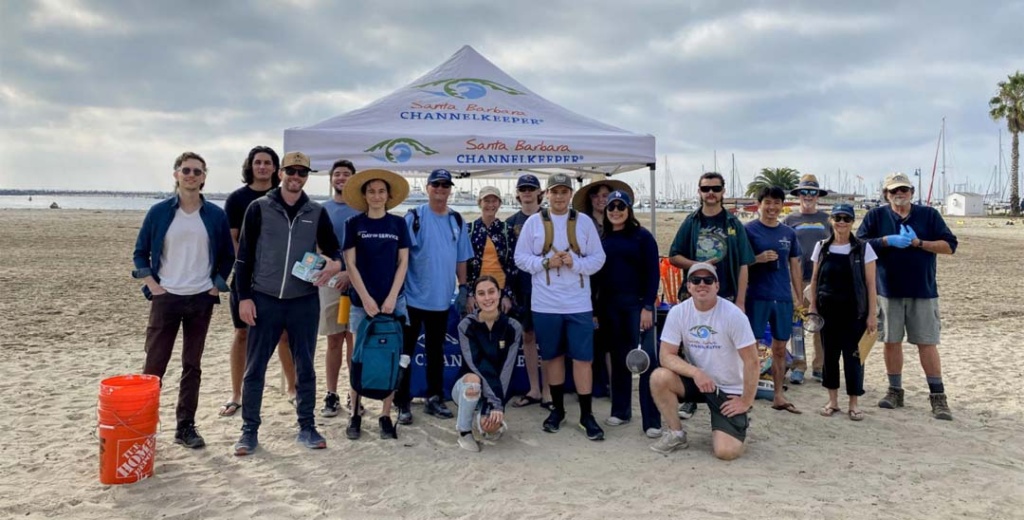
  • Community Cleanups: Volunteers help remove trash and debris from beaches, creeks, and neighborhoods. 

How You Can Help 

The fight against water pollution starts with the choices we make every day. Here are some simple but powerful ways you can contribute: 

Be Smart About Waste 
Dispose of chemicals, oil, and medications properly. Never pour them down drains or storm gutters. 

Use Eco-Friendly Products 
Choose non-toxic cleaning supplies and organic fertilizers. They’re safer for both people and the planet. 

Ditch Single-Use Plastics 
Bring your own bags, bottles, and containers. Support businesses and policies that cut down on plastic waste. 

Educate Yourself and Others 
Understand where your water comes from—and where it goes. Share what you learn with friends and family. 

Join a Cleanup 
Volunteer with Channelkeeper’s Watershed Brigade to remove trash from waterways and urban areas. 

Reduce Runoff 
Install rain gardens, redirect downspouts, and use permeable surfaces in your yard to keep more rain on land, rather than neighborhood streets. Find resources and rebates here. 

Speak Up for Clean Water 
Support the Clean Water Act and the Right to Clean Water Act and tell your local officials that clean water and healthy habitats matter to you. 

Together, We Can Make a Difference 

Clean water is not just an environmental issue; it’s a fundamental human right. By making small, intentional changes and working together as a community, we can reduce pollution and protect the water that sustains us all. 

Let’s stand together to preserve our local waterways and ensure a healthier, more sustainable future. Because clean water starts with us. 

Learn more at sbck.org and get involved today. 
Filed Under: Education, Polluted Runoff Tagged With: national water quality month, stormwater, water pollution, water quality, water quality monitoring

Clean Water Starts with Us: How We Can Help Address Water Pollution

August 2, 2024 by Santa Barbara Channelkeeper

Water pollution is a complex issue with far-reaching consequences for ecosystems, human health, and the planet as a whole. However, the good news is that each of us has the power to make a positive impact with everyday actions we take. Here’s a closer look at water pollution, its effects, and how you can contribute to a cleaner, healthier environment. 

Understanding Water Pollution 

Water is a universal solvent, able to dissolve more substances than any other liquid on Earth. While this is a positive attribute that allows it to dissolve minerals like sodium chloride for the world’s oceans and to transport nutrients in our blood, it also means that water can easily become polluted when toxins are introduced.  

Water pollution occurs when harmful substances contaminate waterways like rivers, streams, lakes, and oceans, making them unsafe for consumption and damaging aquatic life. This pollution can come from various sources: 

  • Industrial Discharges: Factories and industrial plants can release pollutants into rivers and lakes through direct discharge or stormwater systems. 
  • Agricultural Pollution: Pesticides and fertilizers used in farming can wash into waterways, introducing harmful chemicals and excess nutrients. 
  • Sewage and Wastewater: Inadequate treatment of sewage and wastewater can introduce pathogens and pollutants into water systems. 
  • Stormwater Pollution: Chemicals, oil, grease, and nutrients can drain into municipal stormdrains and eventually local waterways 
  • Plastic Pollution: Single-use plastics and other debris can end up in oceans and rivers, causing harm to wildlife and ecosystems. 
  • Oil Spills: Accidental spills from ships and pipelines release harmful chemicals into the water, devastating aquatic environments. 

The Impact of Water Pollution 

The consequences of water pollution are severe: 

  • Health Risks: Contaminated water can carry diseases and toxins, leading to serious health issues for humans, including gastrointestinal problems, neurological disorders, and even cancer. 
  • Ecosystem Damage: Pollutants can disrupt aquatic ecosystems, harming fish, plants, and other wildlife. This disruption can lead to the collapse of local ecosystems and biodiversity loss. 
  • Economic Costs: Cleanup efforts, healthcare costs, and loss of recreational opportunities due to polluted water can have substantial economic impacts on communities. 

Local Efforts to Prevent Water Pollution 

Protecting water quality in the Santa Barbara Channel is at the core of Channelkeeper’s work to ensure that our community has access to clean, drinkable, swimmable, fishable water. To that effect, Channelkeeper monitors and advocates to protect water quality in the Santa Barbara Channel and surrounding watersheds. 

Our team gathers and shares water quality data to help decision-makers protect and restore local waterways and to foster wider community awareness and involvement in protecting water quality. We collect plankton samples to monitor harmful algal blooms, we respond to community member reports of pollution, and take action to ensure enforcement of fundamental environmental laws. We also mobilize community members to help us protect our waterways by picking up trash, plastic, and marine debris.  

How You Can Help: A Community Approach 

Reducing and preventing water pollution requires collective effort. Here are a few practical steps you can take to contribute to cleaner water: 

  • Proper Disposal of Chemicals and Waste: Avoid dumping chemicals, oils, pharmaceuticals, and hazardous substances down the drain, and make sure that your car doesn’t leak oil, antifreeze, or coolant. Be mindful of anything that goes into storm drains, since they flow directly into local waterways. 
  • Participate in Local Cleanup Events: Help protect water sources. Volunteer with Channelkeeper’s Watershed Brigade to remove trash from beaches, creeks, rivers, and urban areas.  Help keep local waterways and the environment clean! 
  • Reduce Plastic Use: Minimize your use of single-use plastics. Choose reusable bags, bottles, and containers. Properly recycle plastic waste and participate in local cleanup events to remove plastics from natural environments. Support companies that make decisions to use less single-use plastic and advocate for policies that work to address plastic pollution at its source.  
  • Use Eco-Friendly Products: Choose environmentally friendly cleaning products, pesticides, and fertilizers. Many of these products are designed to minimize harm to aquatic ecosystems. 
  • Educate Yourself and Others: Learn about where your water comes from and where it goes after you use it. Does your drinking water come from a well, a river, lake, or reservoir? Is the wastewater from your home treated at a facility or does it collect into a septic system? Where does stormwater flow to?  As you learn, you will be able to determine where your actions will have the most impact. Help raise awareness about water pollution within your community. Educate friends, family, and neighbors about the importance of water conservation and pollution prevention.  
  • Reduce Runoff: If you have a garden or lawn, avoid over-fertilizing and use natural methods to control pests. Redirect downspouts to landscape and install rain harvesting tools like barrels and cisterns. Implement rain gardens or permeable pavements to reduce runoff and improve water absorption. 
  • Conserve Water: Conserving water reduces the volume of wastewater that must be treated and decreases the strain on local water resources. Simple actions like fixing leaks, taking shorter showers, and using water-efficient fixtures can make a big difference. 
  • Be an Advocate: Use your voice to stand up for clean water. Speak out in support of the Clean Water Act, which helps hold polluters accountable. Tell your local elected officials that you support water protections and investments in infrastructure. 

We are All Part of the Solution to Water Pollution 

When it comes to water pollution, every action counts. By making mindful choices and encouraging others to do the same, each of us can significantly reduce our contribution to water pollution and help protect our precious water resources. Together, we can foster healthier ecosystems and communities and ensure a sustainable future for generations to come. Clean water is not just a necessity—it’s a right that we can all work to preserve.  

Filed Under: Education, Monitoring, Polluted Runoff Tagged With: pollution, pollution report, runoff, stormwater, water pollution

Contact Us

714 Bond Avenue
Santa Barbara, CA 93103
info@sbck.org
(805) 563-3377

Subscribe to eNews

© 2025 Santa Barbara Channelkeeper | Website by Mission Web Marketing
NAVIGATION
  • About
    • Our Mission & Vision
    • Our Team
    • Our Boat
    • Our History
    • Our Impact
    • About the Santa Barbara Channel
    • About Local Watersheds
    • Strategic Framework
    • Financial Information
    • Careers
    • Contact Us
  • Our Work
    • Education
      • Student Art Show
    • Community Engagement
      • Cruise Ship Advocacy
      • Report Pollution
      • Volunteer
      • Water Conservation
      • Oil Spill Resource Guide
      • Film Plastic Recyling
      • Action Alerts
    • Field Work
      • Beach Water Quality
      • Stream Team
        • Water Quality Indicators
        • Stream Team Data Portal
        • Leydecker Archives
      • MPA Watch
      • Cruise Ship Monitoring
      • Ocean Acidification
    • Advocacy
      • Aquaculture Advocacy
      • Polluted Runoff
      • Agriculture
      • Oil & Gas
        • Protecting the Coast from Sable Offshore’s Pipeline Restart
        • Refugio Oil Spill
        • Oil Spill Resource Guide
        • Platform Decommissioning
        • Legacy Oil Wells
        • Offshore Fracking
      • Ventura River
      • Plastic
        • Film Plastic Recyling
      • Marine Protected Areas
        • MPA Watch
      • Water Supply
        • Desalination
        • Conservation
    • Enforcement
      • Ventura River
      • Offshore Fracking
      • Agriculture
      • Sewage
      • Ojai Quarry
      • Halaco
  • Media
    • Press Releases
    • Blog
    • Newsletter Archive
    • eNews Archive
    • Photo Gallery
    • Video Gallery
  • Take Action
    • Donate
    • Events
    • Volunteer
      • Watershed Brigade
      • MPA Watch
    • Report Pollution
    • Action Alerts
    • Subscribe to eNews
    • Shop
      • Buy Channelkeeper Gear
      • Shop & Support Channelkeeper
  • Donate