• Skip to primary navigation
  • Skip to main content

Santa Barbara Channelkeeper

Keeping Watch for Clean Water

  • About
    • Our Mission & Vision
    • Our Team
    • Our Boat
    • Our History
    • Our Impact
    • About the Santa Barbara Channel
    • About Local Watersheds
    • Strategic Framework
    • Financial Information
    • Careers
    • Contact Us
  • Our Work
    • Education
      • Student Art Show
    • Community Engagement
      • Cruise Ship Advocacy
      • Report Pollution
      • Volunteer
      • Water Conservation
      • Oil Spill Resource Guide
      • Film Plastic Recyling
      • Action Alerts
    • Field Work
      • Beach Water Quality
      • Stream Team
        • Water Quality Indicators
        • Stream Team Data Portal
        • Leydecker Archives
      • MPA Watch
      • Cruise Ship Monitoring
      • Ocean Acidification
    • Advocacy
      • Aquaculture Advocacy
      • Polluted Runoff
      • Agriculture
      • Oil & Gas
        • Protecting the Coast from Sable Offshore’s Pipeline Restart
        • Refugio Oil Spill
        • Oil Spill Resource Guide
        • Platform Decommissioning
        • Legacy Oil Wells
        • Offshore Fracking
      • Ventura River
      • Plastic
        • Film Plastic Recyling
      • Marine Protected Areas
        • MPA Watch
      • Water Supply
        • Desalination
        • Conservation
    • Enforcement
      • Ventura River
      • Offshore Fracking
      • Agriculture
      • Sewage
      • Ojai Quarry
      • Halaco
  • Media
    • Press Releases
    • Blog
    • Newsletter Archive
    • eNews Archive
    • Photo Gallery
    • Video Gallery
  • Take Action
    • Donate
    • Events
    • Volunteer
      • Watershed Brigade
      • MPA Watch
    • Report Pollution
    • Action Alerts
    • Subscribe to eNews
    • Shop
      • Buy Channelkeeper Gear
      • Shop & Support Channelkeeper
  • Donate

Marine Conservation

Watershed Brigade Hits Major Milestone: 50,000 Pounds of Trash Removed from the Environment 

June 30, 2025 by Santa Barbara Channelkeeper

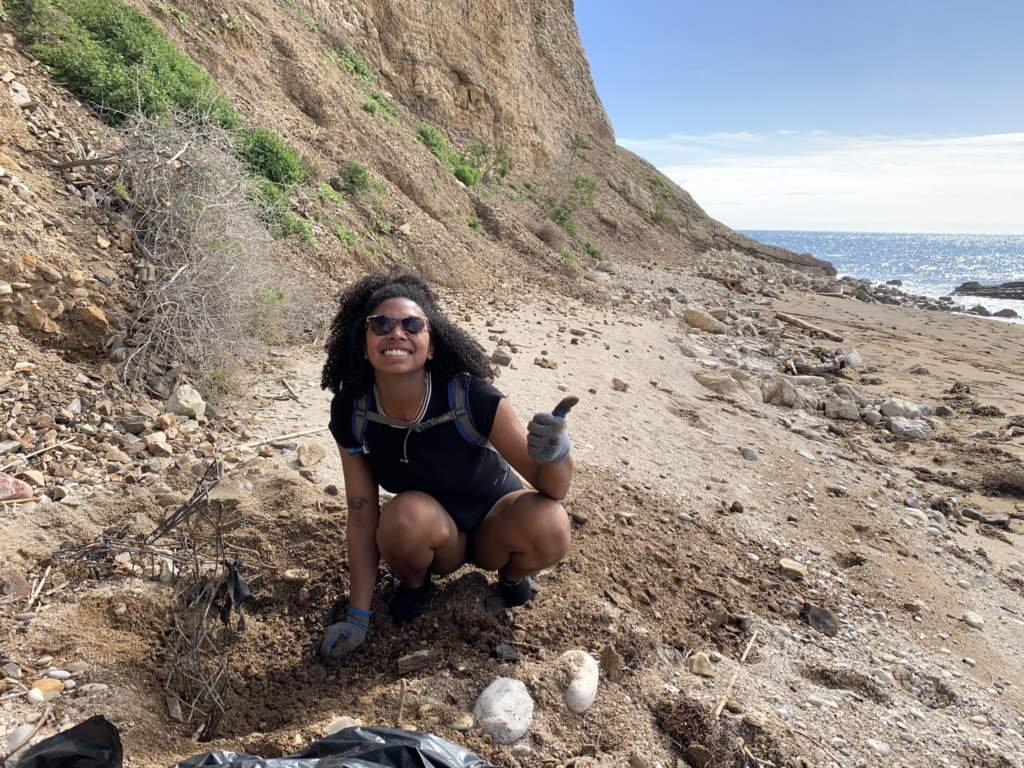
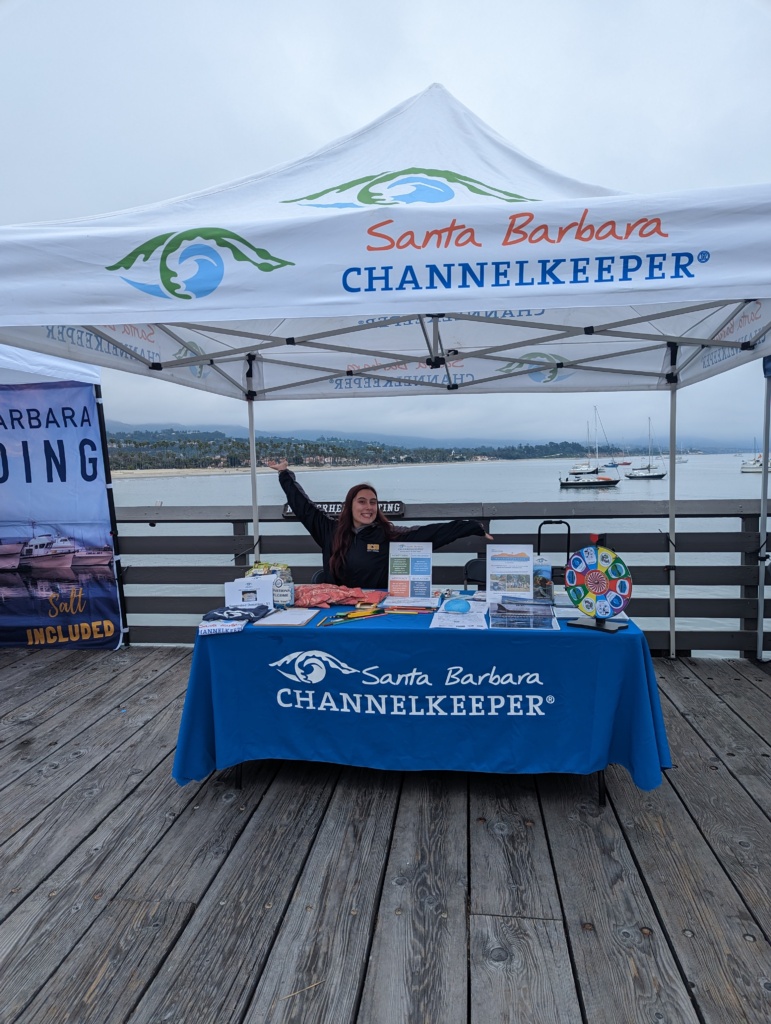
From local shorelines to urban streets, volunteers across from across the region have helped the Watershed Brigade reach an inspiring milestone—removing over 50,000 pounds of trash from our environment. 

Channelkeeper’s Watershed Brigade, a community-powered initiative focused on tackling pollution and protecting water resources, is celebrating a major victory in its ongoing mission to keep our watersheds clean and healthy. Since its inception in 2020, this community cleanup program has empowered 2,067 volunteers from Santa Barbara and Ventura Counties to take direct action against trash and marine debris. Now, thanks to thousands of hours of service and unwavering community support, the Watershed Brigade has officially surpassed 50,000 pounds of trash collected and removed. 

A Hands-On Approach to Change 

More than just a cleanup crew, the Watershed Brigade blends environmental action with education and advocacy. Volunteers aren’t just picking up litter—they’re learning about the systems and behaviors that contribute to pollution and working together to create solutions. 

“Every cleanup is an opportunity to connect people to their environment,” said program leader Veronica Moran. “Our volunteers see the impact of pollution up close, and they come away empowered to make change—not just on cleanup days, but in their daily lives.” 

More Than Just Numbers 

The 50,763 pounds of trash collected during the group’s 1,803 cleanups include thousands of plastic bottles, cigarette butts, lobster traps, food wrappers, tires, and other debris that would have otherwise harmed wildlife, contaminated waterways, and degraded public spaces.  

This milestone is also a symbol of collective impact, with the program uniting hundreds of volunteers around a shared goal of environmental stewardship. 

Education, Advocacy, and Momentum 

One of the strengths of the Watershed Brigade lies in its three-pronged approach: volunteerism, education, and advocacy. Events often include workshops or briefings about local water issues, recycling best practices, and policy advocacy efforts. By fostering understanding and action, the program is building a community of informed environmental champions. 

And the work is far from over. 

“This milestone is just the beginning,” says Moran. “It shows what’s possible when people come together with purpose. With every cleanup, we’re not just removing trash, we’re building a movement.” 

Join the Brigade 

As the Watershed Brigade looks toward its next 50,000 pounds, the call to action is clear: Get involved. Whether it’s participating in a local cleanup or spreading awareness about the impacts of trash on the environment, there are myriad ways to take action. 

To learn more about the Watershed Brigade, find upcoming events, or organize a cleanup, visit sbck.org/brigade or follow @Watershedbrigade on Instagram. 

Our next cleanup event takes place on Saturday, July 5th, from 9 am to 11 am at four locations along Santa Barbara’s waterfront. Watershed Brigade volunteers will partner with the City of Santa Barbara’s Waterfront Department to clear these areas of trash resulting from the July 4th holiday. Sign up here. 
Filed Under: Uncategorized Tagged With: Beach Cleanup, community, Marine Conservation, pollution, Watershed Brigade

Building Meaningful Careers: An Interview with MPA Watch Interns  

March 27, 2024 by Santa Barbara Channelkeeper

Marine Protected Areas, or MPAs, are underwater sanctuaries that provide safe havens for marine wildlife. Channelkeeper’s MPA Watch program trains and engages community volunteers to observe and record human uses of coastal and marine resources both inside and outside of marine protected areas (MPAs) along the Santa Barbara coast. Using standardized protocols volunteers and program interns collect relevant, scientifically rigorous, and broadly accessible data that are used to help inform MPA management and enforcement. Through Channelkeeper’s shore-based MPA Watch program, we’re able to collect data related to human use activities at the Campus Point, Naples, and Kashtayit MPAs along the Santa Barbara coastline. MPA Watch interns focus their work at these three MPAs along the Santa Barbara coastline. 
 
MPA Watch interns are key to the program’s success. This year, we are fortunate to have three UCSB undergraduate interns supporting this community science program, thanks in part to a grant award from the UCSB Associated Students Coastal Fund. MPA Watch interns conduct weekly surveys to ensure consistent coverage of all the coastal MPAs, perform data entry of volunteer surveys and data quality control checks, assist with volunteer training workshops, and lead volunteer field training sessions. 

Channelkeeper recently caught up with our three current MPA Watch Interns, Brynn Campos, Madi Trudeau, and Raven Berse to learn more about their experiences.  

Why did you choose to intern with Channelkeeper? 

Madi: I chose to intern with Channelkeeper because I wanted to find a way to engage with the local community and learn more about the Santa Barbara Channel and its watersheds.  

Brynn: I chose to intern with Channelkeeper because I was interested in ecology/marine biology internships with flexible scheduling. Not only did Channelkeeper work fit into my busy schedule, but it gave me the opportunity to spend more days at the beach and build up marketable skills in the field I am passionate about. 

Raven: I didn’t have many opportunities to really make a difference at my local community college. As a 3rd-year transfer to UCSB, I felt like I needed to hit the ground running and find as many opportunities as I could. I called Channelkeeper and went on a few surveys. I was so fascinated and amazed that I was able to participate in the MPAWatch program as an intern. I have worked with Channelkeeper for over a year now, and I love the team and the work that we do to keep our marine protected areas safe. 

What skills do you hope to gain from this experience? 

Madi: I’m gaining a ton of useful experience in fieldwork, data collection, and data entry. I’m continuing to learn a lot about what it means to collect good data, and how the importance of it can translate into other fields. I’ve found that I really enjoy being out in the field, so I’m glad that I get to continue working on these skills and honing in on potential careers I want to pursue. 

Raven: I have gained a lot of knowledge and confidence in survey-taking and data collection. After school, I want to do research work and this was my first hands-on experience.  

Brynn: Other than the obvious data collection/data entry experience, I am happy with the soft skills I have gained from this experience and how much I have been able to learn about local ecosystems. I have improved my ability to communicate scientific concepts to the public (especially children!) and gained more experience training others. In addition, taking regular walks along our beaches for the past year has allowed me to see the seasonal patterns of the ocean including the dynamism of the tides and the bluffs, the diversity of beautiful fauna (especially birds!), and more generally the interplay between weather and ocean conditions. It has been an invaluable experience getting to personally witness the dynamics of the ocean for my future in marine biology. 

If there were 25 hours in a day, how would you spend the extra hour? 

Brynn: If there were 25 hours in a day, I would spend the extra hour taking my cat Bella on a walk in her backpack.  

Raven: If there were 25 hours in a day, I would try to spend the extra hour doing art or being outside. 

Madi: As a student, it’s really easy to get caught up in work and I find myself spending all day in lecture halls and the library. Having an extra hour would give me the chance to prioritize my passions, like hiking, surfing, and generally just appreciating the outdoors.  

What has been the highlight of your intern experience? 

Raven: The biggest highlight of my intern experience has just been getting out of the house and seeing the beauty of the world outside. After COVID, I really stopped going outside as often. This opportunity pushes me to be outdoors, and it’s really enjoyable to spend a few hours outside near the beach while knowing you’re making a small difference while you’re there. I’ve had so many wonderful opportunities to see the tidepools, walk through the fields along the coast with the cows and horses, have hawks and butterflies fly right over me, and enjoy the beauty of the ocean. It has been a very wonderful and enjoyable experience.  

Brynn: The highlight of my intern experience has been getting to go to our beautiful Channel Islands for a beach cleanup. My trip with Channelkeeper was my first time on the Islands and it was such a beautiful and enriching day. Not only were we able to clean up over 1,000 pounds of trash, but I got to witness the real impact of marine pollution on what should be a pristine natural beauty. Having this experience will drive my future efforts to ensure that we live on a clean, green planet. 

Madi: The highlight of this experience was definitely Underwater Parks Day. It was such a fun outreach event that gave me the chance to connect with community members, other volunteers, and interns. I also got to learn a ton of new information about Santa Barbara’s intertidal zones, and it was fascinating to see all of the organisms they had in their care. It helped me to connect with a new community of people who love marine life as much as I do.    

Channelkeeper feels grateful beyond words to work with these three extraordinary women who, after graduation, plan to launch careers in areas such as aquatic ecology, ocean research, and marine biology. With great optimism, we look forward to learning about all that they will accomplish. 

Filed Under: Marine Conservation, Monitoring Tagged With: environment, Marine Conservation, marine protected area, MPAWatch, ocean

Welcome Aboard, Nate!

October 2, 2023 by Santa Barbara Channelkeeper

Channelkeeper is pleased to welcome Nate Irwin to our team as a Policy Associate. In addition to his passion for environmental science and profound local knowledge, Nate brings extensive policy development and community organizing experience and ebullient positive energy. He will be leading the charge on many of Channelkeeper’s advocacy campaigns and environmental policy programs. We took a moment recently to learn more about Nate, his deep appreciation for the ocean, and what inspires his work to protect the Santa Barbara Channel and its watersheds.   

Tell us a little about yourself. Where did you grow up? What were you interested in as a young person?  

I grew up on the Mesa and spent most of my time outside, either playing an organized sport, or surfing. My interests haven’t changed much since I was a kid. I have always felt a connection to the natural world, and luckily, I still feel the same today. There is no better teacher, healer or communicator than mother nature.  

It sounds like you have a deep personal connection with the ocean. Mind sharing a little about that?   

My dad taught me to surf when I was three in Cabo San Lucas, and I have been completely obsessed ever since. There has not been a bad day that couldn’t be cured by a jump in the ocean. Growing up so close to the beach has allowed me to become in tune with its natural rhythms, the tides going in and out, afternoon northwesterly winds, flat spells, big swells, and glassy mornings. I was extremely privileged to have a dad that felt the same way about surfing as I did, calling us both in sick when there were good days. I have a deep reverence for the ocean because of its enormity, complexity, beauty and importance to the health of the earth.  

What inspires your work to protect coastal ecosystems?    

I am inspired to protect coastal ecosystems because of their interconnectedness with the health of the land. The Santa Barbara Channel is such a unique and important part of the world and keeping it healthy involves protecting both the watersheds that flow into it, and the ocean that receives this freshwater. Our coastal ecosystem is both beautiful and highly productive, making it incredibly important to ensure that we keep it healthy. I have spent the majority of my life in close proximity to the coast and feel a sense of responsibility to protect it in return for all it has done for me.  

Do you have a personal hero?   

My parents are my heroes because they allowed me to grow up in Santa Barbara and taught me to have respect for nature. They are both educators in Santa Barbara and I was fortunate to have their guidance growing up. My mom influenced me to be aware of my surroundings and appreciate all living things and each moment we get to be on this planet. My dad taught me that it is important to be yourself and to use your creativity to express yourself.   

You have experience in environmental advocacy and inspiring others to get involved in conservation. Tell us about Illuminate Conservation.   

In my final year of college at Antioch, Santa Barbara, I learned about Bradbury Dam/Lake Cachuma and its impact on the endangered Southern California steelhead. This species really got me interested in conservation and inspired me to get involved in helping to save them from extinction. I started an initiative to raise awareness about the importance of this species by using art, advocacy events, a petition and through writing about the species. My dad and I painted large scale steelhead inspired abstract art to highlight the conservation issue this species was facing. The fact that this species is disappearing is so alarming because they are the indicators of healthy watersheds. Illuminate Conservation is a platform that has raised over $16,000 to support NGO’s that work in watershed restoration, 48,000 signatures in support of the steelhead on the Santa Ynez River and taught local students about this issue using art as a catalyst for change and awareness.  

What aspects of Channelkeeper’s work are you most excited to engage on?   

I am most excited to get involved in watershed protection projects and the Chumash Heritage National Marine Sanctuary designation. I feel that public awareness of the importance of healthy watersheds will guide policy towards a more sustainable future for our county and state. The Chumash Heritage National Marine Sanctuary designation is a once in a lifetime opportunity to preserve a section of the marine environment forever and for future generations to enjoy. This is a monumental moment because the sanctuary designation incorporates Indigenous voices and traditional ecological knowledge in the preservation of their lands that they have stewarded since time immemorial.  

Any highlights so far?  

My biggest highlight so far has been attending the “Rally at the Rock” organized by the Northern Chumash Tribal Council to advocate for the inclusion of Lisamu’ (Morro Rock) and its surrounding waters in the sanctuary proposal. It was an incredible day, and I was so honored to be a part of it.  

If you were an aquatic organism, what would you be and why?   

I would be a dolphin off the coast of California because they are so graceful and look like they are having so much fun. They also seem to have such a close-knit family that they get to explore the ocean with. 

Filed Under: Uncategorized Tagged With: clean water, environmental policy, Marine Conservation, ocean, ocean protection, Santa Barbara

Protecting Biodiversity in the Santa Barbara Channel 

August 24, 2023 by Santa Barbara Channelkeeper

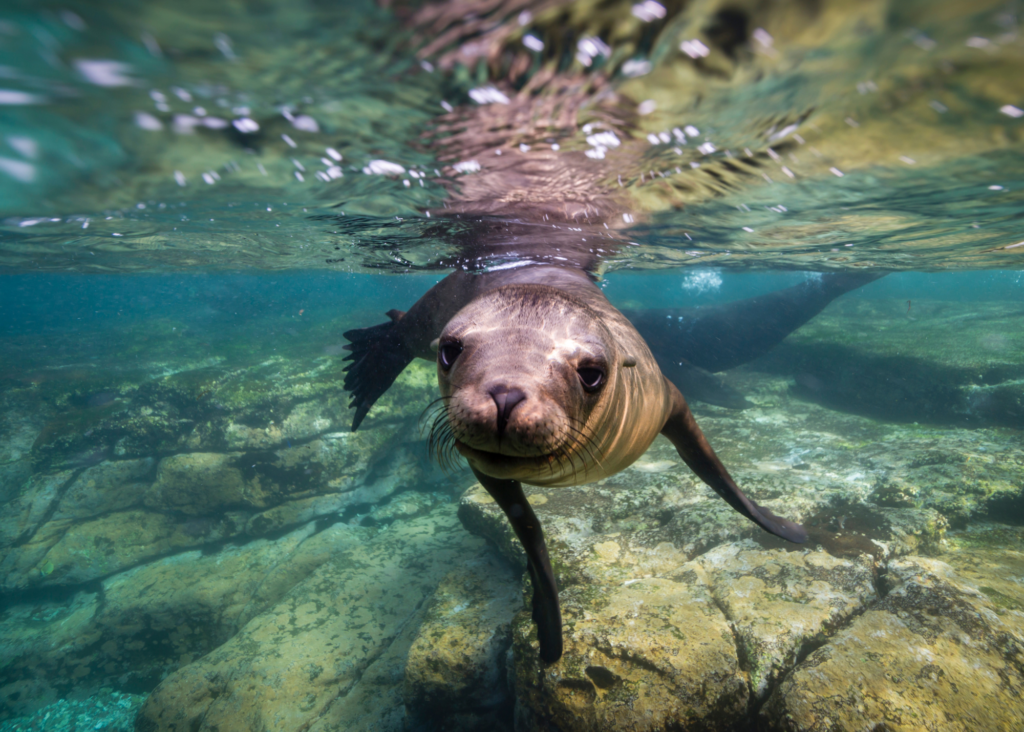
Home to acres of giant kelp forests and a diverse array of marine species—from anemones and nudibranchs to sheephead and yellowtail, and sharks, sea lions, dolphins, and whales—the Santa Barbara Channel is considered an ecological treasure and one of the most biologically rich ecosystems on Earth.  

Its unparalleled species density and diversity can be attributed to the Channel’s location in the transition zone between the cool northern California Current and warm Southern California Countercurrent, where two distinct ecological systems merge. In addition, wind-driven upwellings, which force deep, nutrient-laden ocean waters to the surface nourish a productive food web that includes plankton, squid, hundreds of fish species and invertebrates, dolphins, sharks, birds, and whales. 

Why is biodiversity important? 

Biodiversity is essential for healthy ecosystems. It is a primary indicator of our planet’s health. All of the organisms within an ecosystem are interconnected, so when biodiversity declines and organisms disappear, it affects the entire ecosystem’s ability to function and survive. Humans, as part of this network, are reliant on the ecosystem’s health and biodiversity. Every breath we take depends on another life, another species. Healthy ecosystems provide us with clean water, air, a secure food supply, essential medicines, and they also help moderate the climate.  

Help us Protect Biodiversity 

Humans have caused rapid ecosystem changes and loss of biodiversity across the planet in recent decades. In the Santa Barbara Channel scientists have documented changes to fish and bird populations, shifts in ocean pH levels, and an increase in the frequency and intensity of harmful algae blooms that have indicated imbalances. 

Channelkeeper works to protect biodiversity in the Santa Barbara Channel by conducting important fieldwork, increasing public awareness, advocating for more protective policies, and enforcing environmental laws.  

Marine Protected Areas 

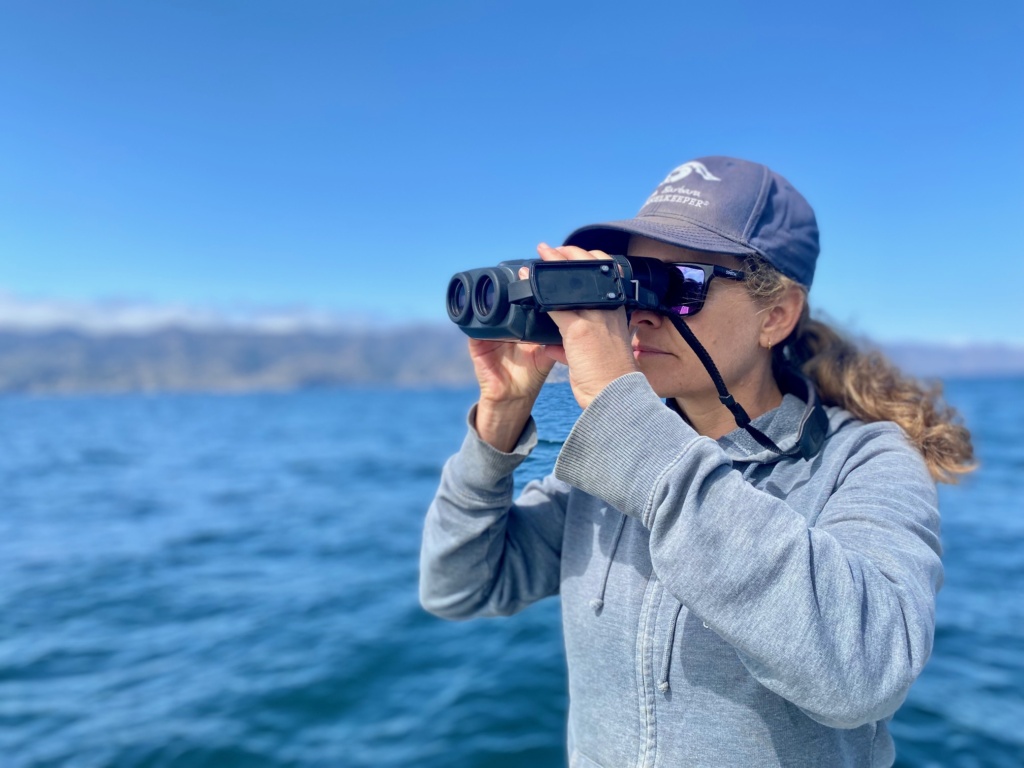
Out on the water, our team monitors human activity within nine of the nineteen marine protected areas in the Santa Barbara Channel and educates the public on their ecological, economic, and cultural value. These designated areas provide sanctuaries for species to grow and reproduce. We also mobilize a corps of volunteers to help track human activity in them through our MPA Watch program. 

Plankton Monitoring 
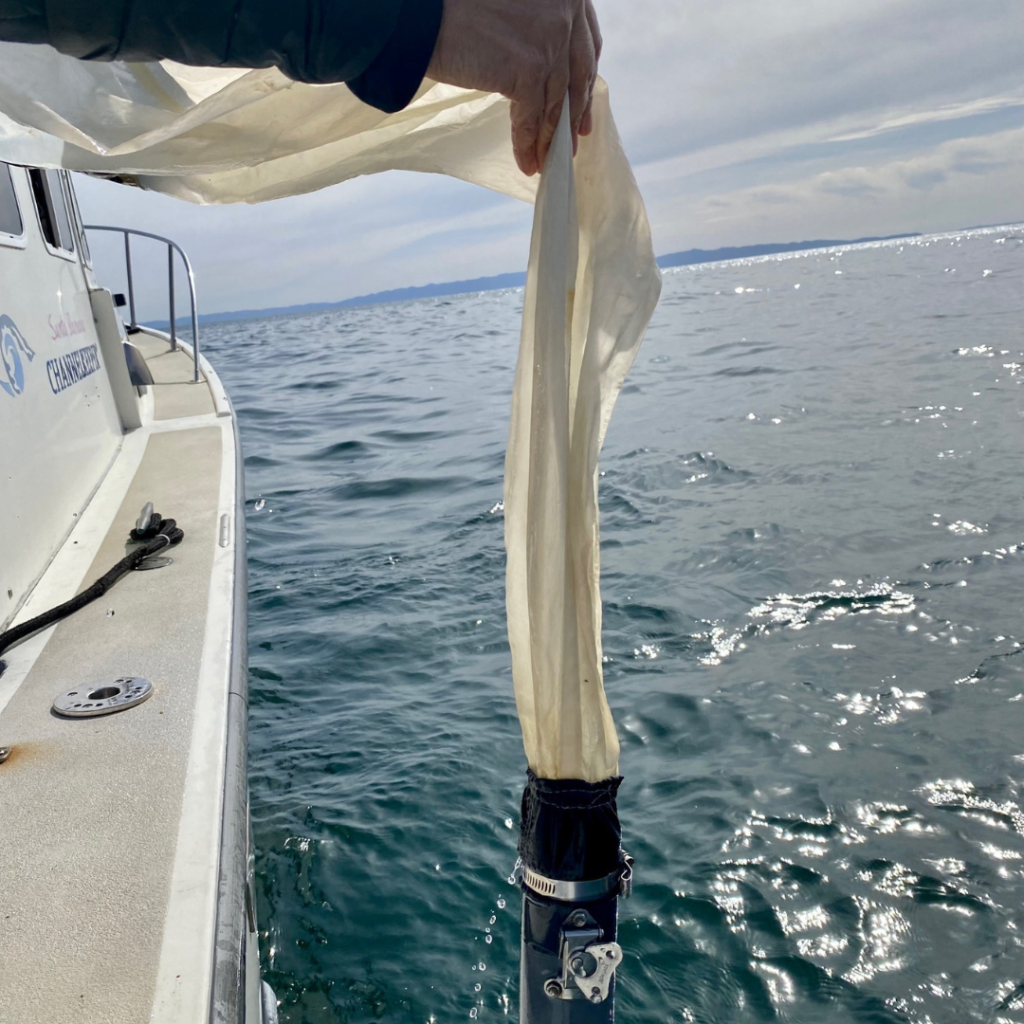
Channelkeeper staff collects plankton samples and sends them to the California State Health Department for analysis as part of our effort to monitor hazardous algal blooms in the Santa Barbara Channel.  

In addition, our team periodically assists with domoic acid response efforts and important research in the Santa Barbara Channel by collecting water samples and sending them to experts with the Southern California Coastal Water Research Project. The data and observations that we collect during these sampling events will help provide a better understanding of the geographic extent of algae bloom events and how climate stressors may affect them.  

Policy Development 
Through ongoing advocacy efforts to address pollution, habitat destruction, and the impacts of climate change, and protect both water resources and public health, we work to improve environmental policies at the local, state, and national level. Some of the issues that we are working on are regulating pollution from irrigated agriculture, evaluating the impacts of aquaculture project development in the Santa Barbara Channel, addressing the environmental risks and limiting the number of cruise ships that anchor off Santa Barbara, and restoring flows to the Ventura River.  

We hope you’ll join us in taking action locally to protect the biodiversity in our backyard from threats from habitat destruction, pollution, and the effects of climate change. Become an MPA Watch volunteer and help track activity in these aquatic sanctuaries, join our Watershed Brigade to help remove trash from local waterways and reduce pollution, or support our work to protect and restore ecosystems throughout the Santa Barbara Channel with a donation. Let’s work together to ensure that they are healthy and vibrant for future generations. 

Filed Under: Marine Conservation Tagged With: biodiversity, clean water, ecosystem, environment, Marine Conservation, marine protected areas

Leveraging the Law to Protect Ocean Environments from the Effects of Finfish Aquaculture 

February 7, 2023 by Santa Barbara Channelkeeper

Channelkeeper recently joined the Center for Food Safety, other environmental organizations, fishing groups, and the Quinault Indian Nation in suing the U.S. Army Corps of Engineers over its issuance of Nationwide Permit 56, which authorizes the development of finfish farming structures in state and federal waters. We are challenging that the Nationwide Permit was approved without a thorough analysis of its potential detrimental impacts on our ocean ecosystems, water quality, public health, fishing communities, and endangered and threatened species. 

Nationwide Permit 56 allows the installation of cages, net pens, anchors, floats, buoys, and other structures in marine and estuarine waters over the outer continental shelf. It’s the primary program that will be used to permit all future finfish aquaculture development in federal waters throughout the United States. However, the groups who have filed the legal action are concerned that the U.S. Army Corps of Engineers skirted mandatory environmental review processes when it issued this permit.  We claim that the agency failed to consult, as required by law, with the U.S. Fish and Wildlife Service and the National Marine Fisheries Service, as about potential effects on threatened and endangered species protected under the Endangered Species Act, nor consult on the impacts to Essential Fish Habitat under the Magnuson-Stevens Act. Further, the Army Corps lacks the legal authority to take this step in the first place without new authority from Congress, which it has not gotten. 

The Nationwide Permit 56 originated from a Trump-era executive order promoting the rapid expansion of industrial marine aquaculture facilities under the guise of addressing pandemic-related food insecurity. Federal officials have begun identifying locations as potential sites for commercial aquaculture operations. The Santa Barbara Channel—along with areas in the Gulf of Mexico and waters off Marina del Rey, California—was selected by the National Oceanic and Atmospheric Administration as one of the first areas to assess for future aquaculture development. The Santa Barbara Channel currently has two active aquaculture projects along the coastline.  

Certain types of aquaculture projects, such as those for shellfish and seaweed, generally may have benefits that outweigh the drawbacks. However, offshore aquaculture operations for finfish (such as tuna or tilapia) present significant risks to the environment. These include, but are not limited to: 

  • water quality impairment from dead fish, fecal waste, and antibiotics; 
  •  spread of disease that can impact populations of wild fish caught by commercial, recreational, and subsistence fishermen; 
  • escape of farmed fish into the natural environment, risking the genetic integrity of wild populations; and 
  • depletion of small fish populations that are used as feed for farmed fish and thus, less available for wild fish, birds, and marine life. 

In addition, there is currently no regulatory program in place to adequately oversee aquaculture operations in federal waters or strong standards to protect the marine environment from the impacts of finfish aquaculture.  

By signing on to this lawsuit, Channelkeeper hopes to ensure that all appropriate precautions and measures are in place to protect the Santa Barbara Channel from the potentially destructive impacts of industrial, offshore finfish aquaculture.   

Filed Under: Marine Conservation Tagged With: aquaculture, environment, Marine Conservation

  • Page 1
  • Page 2
  • Go to Next Page »

Contact Us

714 Bond Avenue
Santa Barbara, CA 93103
info@sbck.org
(805) 563-3377

Subscribe to eNews

© 2025 Santa Barbara Channelkeeper | Website by Mission Web Marketing
NAVIGATION
  • About
    • Our Mission & Vision
    • Our Team
    • Our Boat
    • Our History
    • Our Impact
    • About the Santa Barbara Channel
    • About Local Watersheds
    • Strategic Framework
    • Financial Information
    • Careers
    • Contact Us
  • Our Work
    • Education
      • Student Art Show
    • Community Engagement
      • Cruise Ship Advocacy
      • Report Pollution
      • Volunteer
      • Water Conservation
      • Oil Spill Resource Guide
      • Film Plastic Recyling
      • Action Alerts
    • Field Work
      • Beach Water Quality
      • Stream Team
        • Water Quality Indicators
        • Stream Team Data Portal
        • Leydecker Archives
      • MPA Watch
      • Cruise Ship Monitoring
      • Ocean Acidification
    • Advocacy
      • Aquaculture Advocacy
      • Polluted Runoff
      • Agriculture
      • Oil & Gas
        • Protecting the Coast from Sable Offshore’s Pipeline Restart
        • Refugio Oil Spill
        • Oil Spill Resource Guide
        • Platform Decommissioning
        • Legacy Oil Wells
        • Offshore Fracking
      • Ventura River
      • Plastic
        • Film Plastic Recyling
      • Marine Protected Areas
        • MPA Watch
      • Water Supply
        • Desalination
        • Conservation
    • Enforcement
      • Ventura River
      • Offshore Fracking
      • Agriculture
      • Sewage
      • Ojai Quarry
      • Halaco
  • Media
    • Press Releases
    • Blog
    • Newsletter Archive
    • eNews Archive
    • Photo Gallery
    • Video Gallery
  • Take Action
    • Donate
    • Events
    • Volunteer
      • Watershed Brigade
      • MPA Watch
    • Report Pollution
    • Action Alerts
    • Subscribe to eNews
    • Shop
      • Buy Channelkeeper Gear
      • Shop & Support Channelkeeper
  • Donate